Texas Guadaloop – University of Texas at Austin
Texas Guadaloop
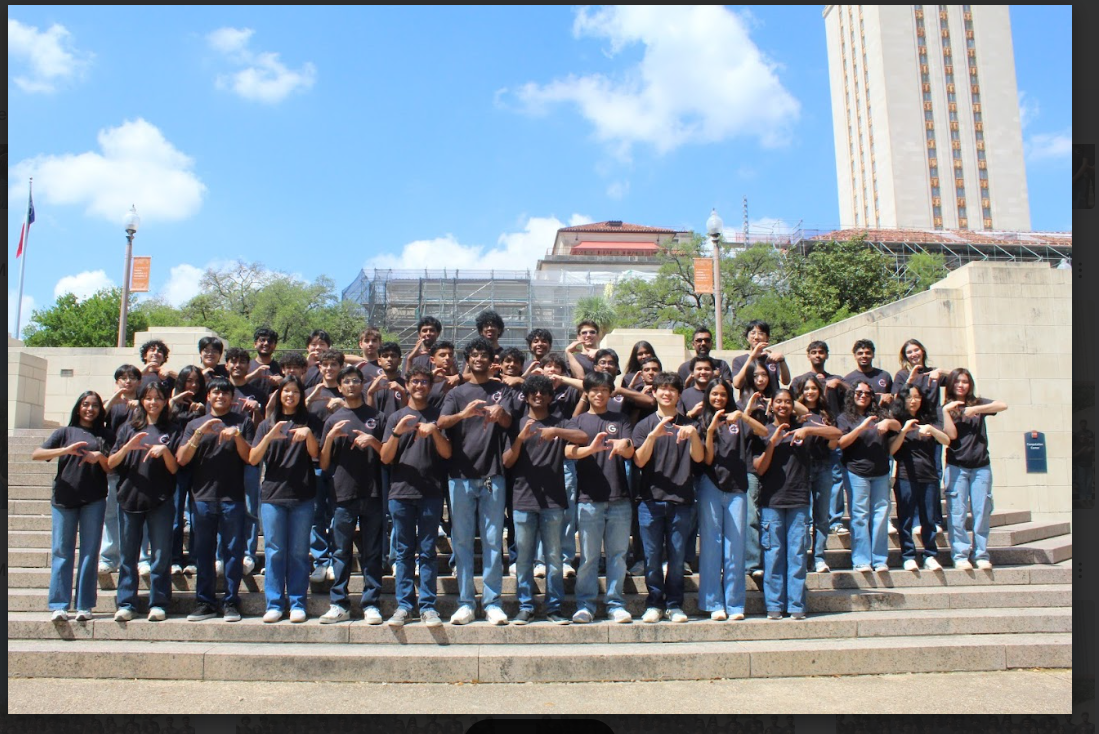
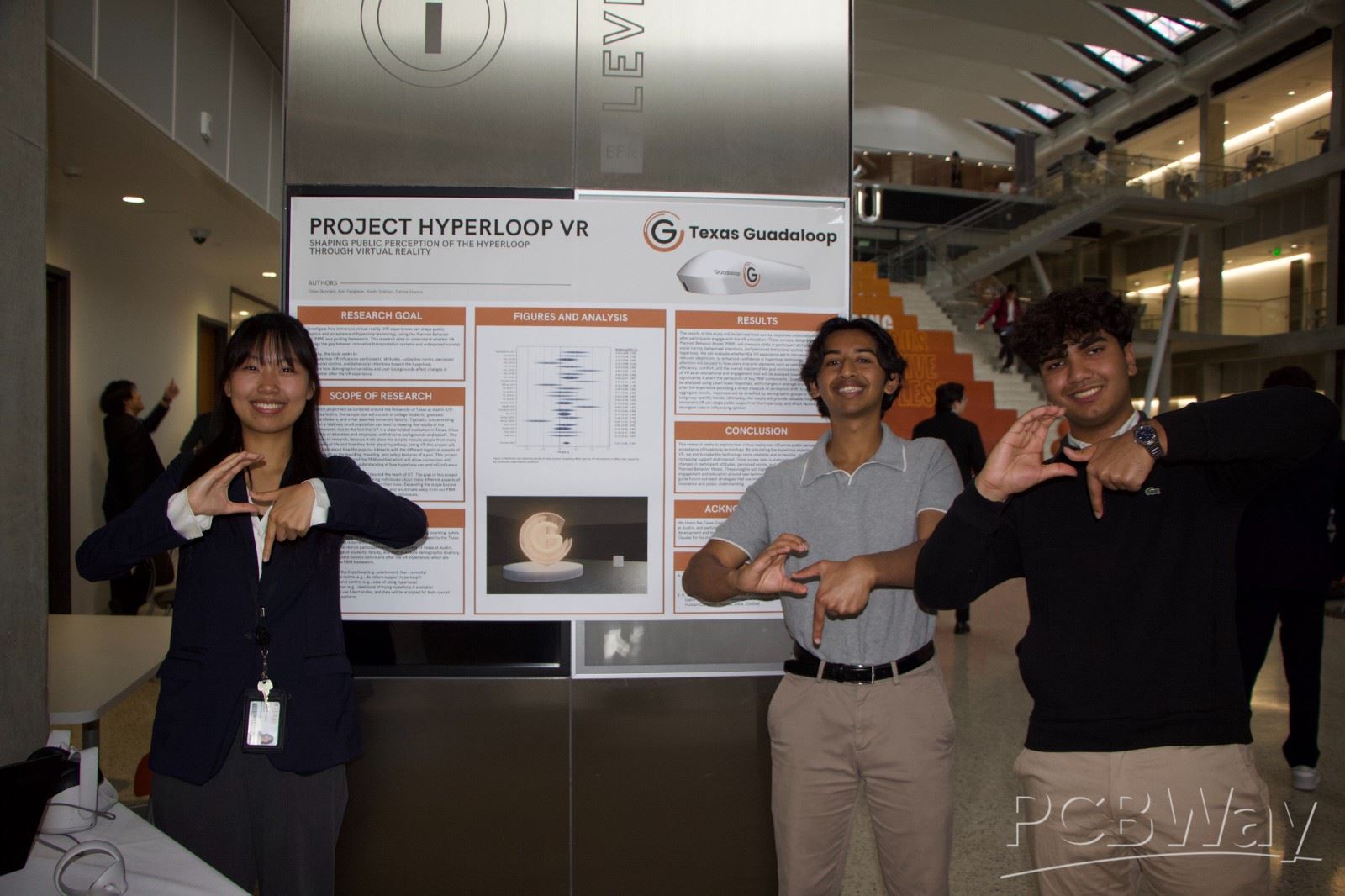
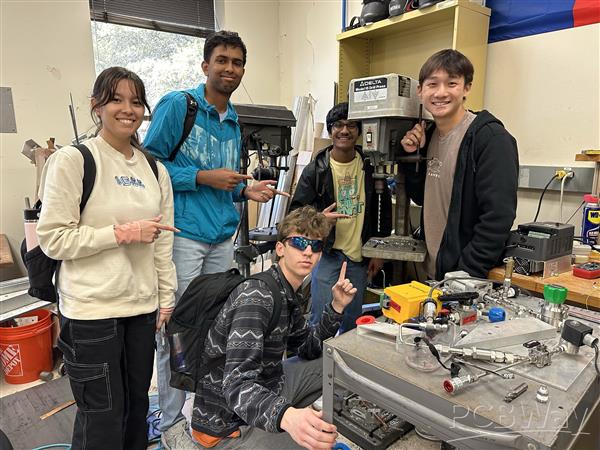
Texas Guadaloop is the official hyperloop research, development, and competition team of the University of Texas at Austin. Founded in 2015, our team is composed of students from a wide range of disciplines including mechanical engineering, aerospace engineering, electrical engineering, computer science, physics, mathematics, economics, and business. This interdisciplinary makeup is central to our identity and our ability to tackle one of the most complex transportation engineering challenges of our generation.
Our mission is to design, build, and test a fully functioning hyperloop pod prototype capable of levitation, propulsion, braking, and autonomous operation inside a vacuum environment, while providing students with unmatched hands-on engineering experience. We represent the University of Texas and the state of Texas in international hyperloop competitions, and we are committed to advancing the United States' position in the global hyperloop industry.
The team has earned multiple prestigious awards, including two Innovation Awards at the SpaceX Hyperloop Pod Competitions, and First Place worldwide in the National Instruments Engineering Impact Awards.
About the Team
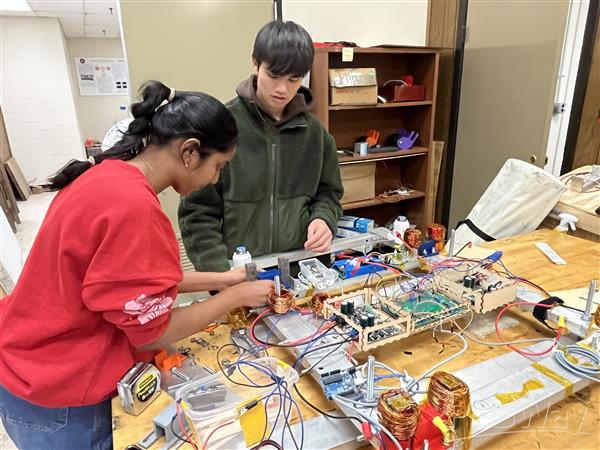
Texas Guadaloop currently operates with approximately 120 active members organized across three broad divisions: Engineering, Business, and Research. Within the Engineering division, members work across specialized technical subsystems including:
- Structures and mechanical design
- Magnetic levitation (maglev)
- Linear induction motor (LIM) propulsion
- Regenerative braking
- Embedded systems and electronics
- Aerodynamics and vacuum systems
- Our pod is entirely designed and built by students, giving members real-world experience in systems engineering, embedded electronics, PCB design, structural fabrication, and control systems development.
Competition Mission
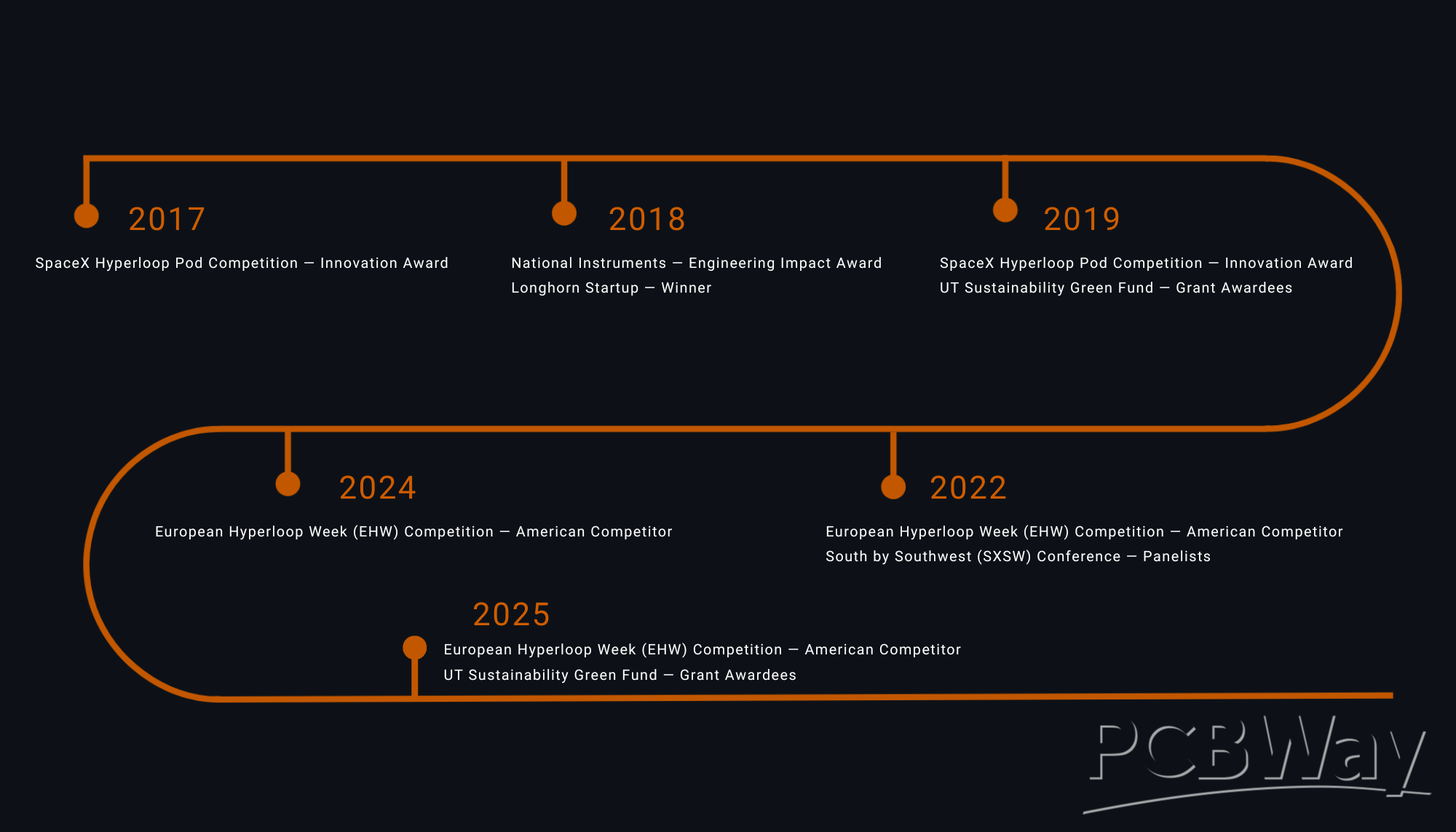
Our current project is focused on building a next-generation hyperloop pod to compete at the European Hyperloop Week, one of the premier international hyperloop competitions in the world, as well as the Canadian Hyperloop Conference and the UC Irvine Hyperloop Showcase.
This year's pod represents a complete redesign from previous iterations. We are incorporating cutting-edge technologies that no university team in the world has yet demonstrated in combination: a linear induction motor for contactless propulsion, magnetic levitation for frictionless travel, and regenerative braking for energy recovery. The pod is designed to operate inside a low-pressure vacuum tube, requiring all electronics to perform reliably under extreme mechanical and environmental stress.
The hyperloop industry itself is experiencing rapid growth, with market valuations projected to rise from $1.8B in 2023 to over $30B by 2033. Student teams like ours are helping shape the early engineering and research foundation of this industry.
Embedded Systems and Electronics
One of the most technically demanding subsystems of the hyperloop pod is the embedded systems and electronics architecture. This system is responsible for:
- Real-time vehicle state monitoring
- Sensor data acquisition and fusion
- Motor control and power electronics
- Levitation control loops
- Braking system actuation
- Wireless telemetry and communication
- Onboard data logging and fault detection
- Our electronics architecture is built around custom-designed PCBs developed entirely in-house by team members. These boards must integrate a wide range of components and systems including:
- Vehicle control unit (VCU) microcontrollers
- IMUs (inertial measurement units) for pod dynamics
- Pressure and temperature sensors for vacuum monitoring
- Motor drive and inverter circuitry for the linear induction motor
- High-voltage power distribution and battery management
- Low-latency telemetry modules for real-time data transmission
- Safety and emergency stop circuits
All of these electronics must operate reliably under high vibration, rapid acceleration, electromagnetic interference from the drive system, and the thermal demands of a sealed, compact pod enclosure. Reliability is not optional; a failure in any board can compromise the entire run.
Example Electronics Architecture
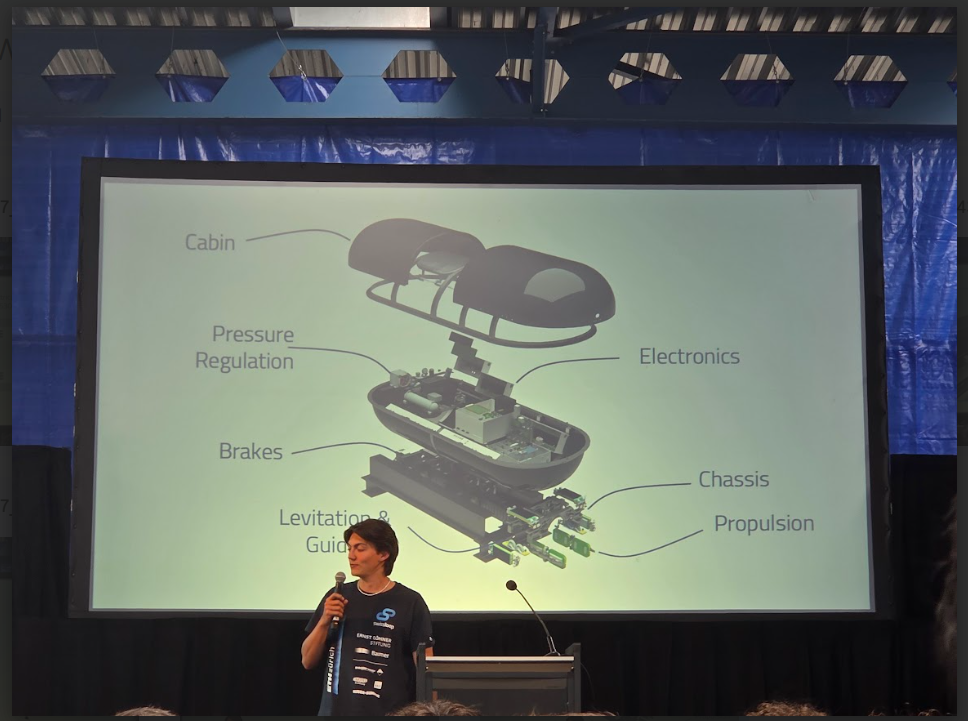
The pod's electronics architecture is divided across multiple dedicated boards, each handling a specific role:
- Main vehicle control unit (VCU) PCB
- Motor controller and inverter board
- Power distribution and battery management board
- Sensor acquisition and telemetry board
- Levitation and braking control board
Across a single pod, our team typically designs and integrates five or more custom PCBs, each requiring multiple prototype iterations before a flight-ready version is validated.
Why PCBWay Support Is Important
As a student team, our ability to iterate quickly on hardware designs is one of the most critical factors in our success. The electronics subsystem is at the heart of nearly every technical challenge we face, from controlling levitation stability to commanding the propulsion system in real time.
Access to high-quality PCB manufacturing through PCBWay would allow us to:
- Rapidly prototype and test multiple board revisions
- Validate motor drive, levitation, and sensor systems before competition
- Reduce development time and increase reliability of flight-ready electronics
- Train new members in professional PCB design workflows
Deliver a complete, integrated pod that demonstrates all planned innovations at European Hyperloop Week
Without access to reliable PCB fabrication, hardware iteration slows significantly and the risk of critical electronics failures during competition increases. PCBWay's support would have a direct and measurable impact on our results.
Team Impact
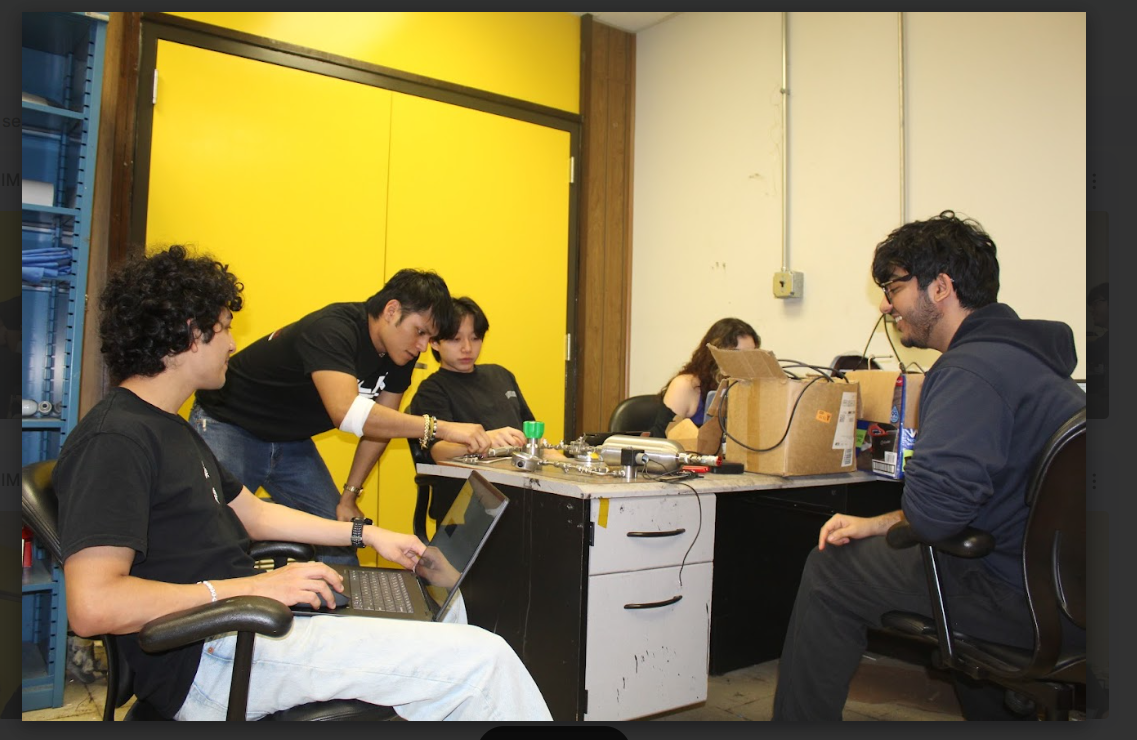
Texas Guadaloop is more than a competition team. We are a training ground for the next generation of transportation engineers and systems designers. Our members have gone on to roles at companies including SpaceX, Tesla, Lockheed Martin, and major aerospace and tech firms across the country.
Through our projects, members gain real-world experience in:
- Embedded systems and control engineering
- Custom PCB design and hardware integration
- Mechanical and structural design
- Systems engineering and project management
- Research, testing, and data analysis
Acknowledgment
We would be honored to partner with PCBWay in the development of our hyperloop pod electronics. The quality and speed of PCBWay's manufacturing would directly accelerate our development cycle and improve the reliability of our competition systems.
Your support would not only help Texas Guadaloop compete on the world stage at European Hyperloop Week, it would contribute to training a new generation of engineers who are building the future of transportation. What starts here changes the world. Hook 'em.
- Comments(0)
- Likes(0)